Why Smart Business Owner Tax Strategies Keep Profits Growing

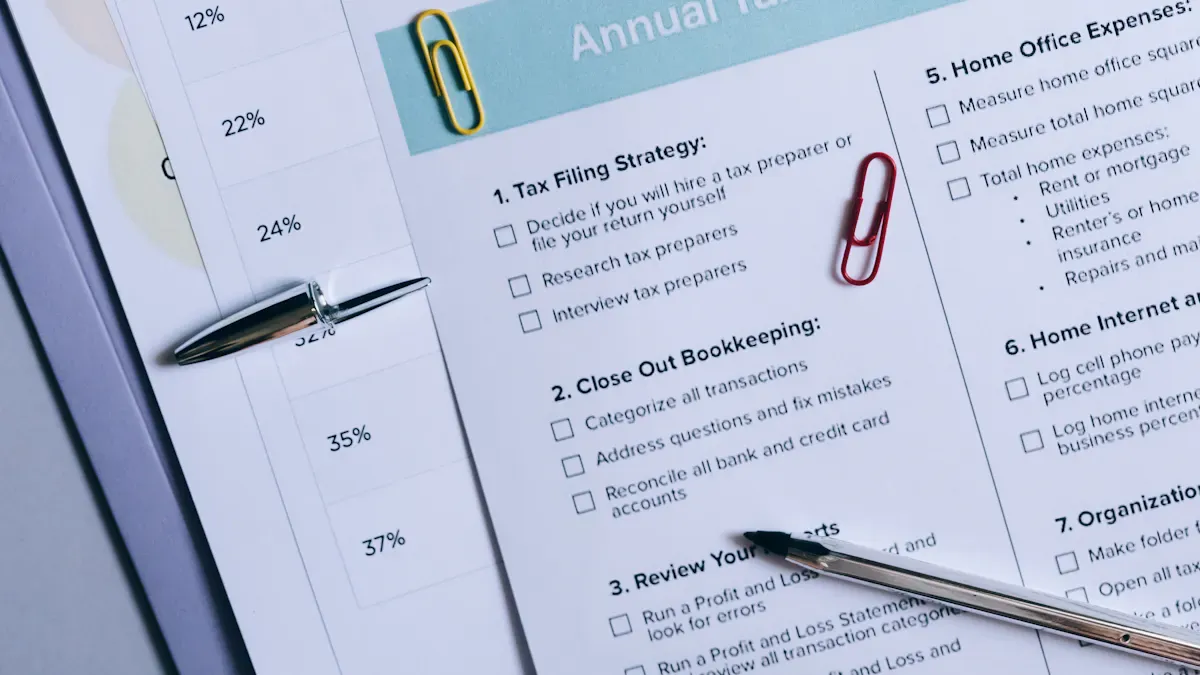
Picture yourself at a business meeting. The IRS sits across the table, claiming a slice of your hard-earned profits. You feel frustration, maybe even anger—small business owners often feel targeted by tax rules. Taxes can weigh you down, making you worry about your company’s future. Many owners say tax rates are a top challenge, slowing growth. Do you feel taxes are holding back your business? With smart business owner tax strategies, you can turn tax planning into a silent partner that helps your profits grow.
Key Takeaways
Choose the right business structure to maximize tax efficiency and protect personal assets. An S Corporation can save you money on self-employment taxes.
Utilize available deductions like home office expenses and business travel to lower your taxable income. Every dollar counts!
Contribute to retirement plans to reduce your taxable income while saving for the future. This strategy benefits both you and your employees.
Explore tax credits such as the R&D credit or Work Opportunity Tax Credit. These can significantly reduce your tax bill.
Plan your income and expenses strategically. Timing can help you manage your tax liabilities effectively and keep more cash in your business.
The Silent Partner Concept
What Is a Silent Partner?
You might hear the term "silent partner" tossed around in business circles. A silent partner usually invests money in your business but stays out of daily decisions. They don’t manage operations or get involved in strategy. Their main role is to provide capital and share in the profits. Legally, a silent partner often has limited liability, which means they can only lose what they put in. They don’t risk personal assets if things go wrong.
Here’s a quick look at how experts define a silent partner:
Evidence | Description |
|---|---|
Fifth Circuit's Holding | Courts say a silent partner’s status depends on limited liability, not how much they participate. |
IRS Administrative Practices | The IRS uses limited liability to decide who counts as a limited partner for tax purposes. |
Social Security Administration Regulations | These rules match the IRS, focusing on limited liability as the key trait. |
So, a silent partner is someone who helps you grow but doesn’t make noise or demand attention.
Tax Strategies as Your Silent Partner
Now, let’s talk about the IRS. Unlike a true silent partner, the IRS doesn’t just sit quietly in the background. They claim a share of your profits, sometimes feeling more like a loud guest at your table. The IRS shapes how you report income and what you owe. In fact, large, complex partnerships often slip through the cracks because the IRS can’t audit everyone. New rules and funding aim to close these gaps, but the IRS still plays a big role in your business finances.
Did you know 64% of U.S.-owned foreign wealth sits in pass-through entities, often for tax reasons?
Many business owners feel the IRS takes more than its fair share, making taxes a top concern.
Here’s the good news: smart tax strategies can become your real silent partner. When you plan ahead, you keep more of your profits and let your money work for you. Instead of the IRS taking center stage, your tax plan quietly supports your growth. That’s why understanding and using tax strategies matters so much for your business journey.
Why Business Owner Tax Strategies Matter
Taxes and Profit Impact
You know that feeling when you carry a heavy backpack all day? Taxes can feel just like that—extra weight slowing you down as you try to climb the ladder of business success. Many small business owners say taxes are one of their biggest hurdles. If you don’t have a plan, you might end up paying more than you need, leaving less money for growth, hiring, or even your own paycheck.
Let’s break down how taxes hit your profits:
Timing matters. If you defer income or speed up deductions, you can lower your tax bill and keep more cash in your pocket.
Your business structure changes everything. Whether you run an LLC, S Corp, or C Corp, each option affects how much you owe and how much you keep.
Smart investments pay off. Retirement plans and qualified opportunity zones can help you save on taxes and build wealth for the future.
You want to pay your fair share, but you don’t want to tip the IRS extra. Overpaying means you lose out on money that could fuel your business. With the right business owner tax strategies, you can lighten your load and boost your profits.
Strategic Planning Benefits
Proactive tax planning isn’t just about saving money. It’s about making smarter decisions and staying ahead of the game. When you plan your taxes, you gain control and confidence. You don’t have to worry about surprise bills or missed opportunities.
Check out how different strategies can reduce your effective tax rate:
Business Type | Tax Reduction Strategy | Effective Tax Rate Reduction |
|---|---|---|
Professional Services | C corporation election, optimizing fringe benefits, retaining earnings | $312,800+ |
High-Income Business Owner | Multi-entity structuring, stacked reimbursement plans, accelerated depreciation | Effectively zero |
Seven-Figure Business Owner | Accounting method optimization, reimbursement layering, depreciation timing |
When you use business owner tax strategies, you unlock benefits like:
Better financial decisions. You know where your money goes and how to make it work harder.
Expert advice. Tax professionals help you build custom plans that fit your business.
More deductions. You find hidden savings that reduce your taxable income.
Year-round planning. You improve cash flow and keep your business running smoothly.
Peace of mind. You lower your risk of penalties and audits, so you can focus on growth.
You don’t have to let taxes weigh you down. With proactive planning, you turn tax strategies into a silent partner that helps your profits grow. The right moves can mean the difference between just getting by and reaching your next big milestone.
Essential Business Owner Tax Strategies
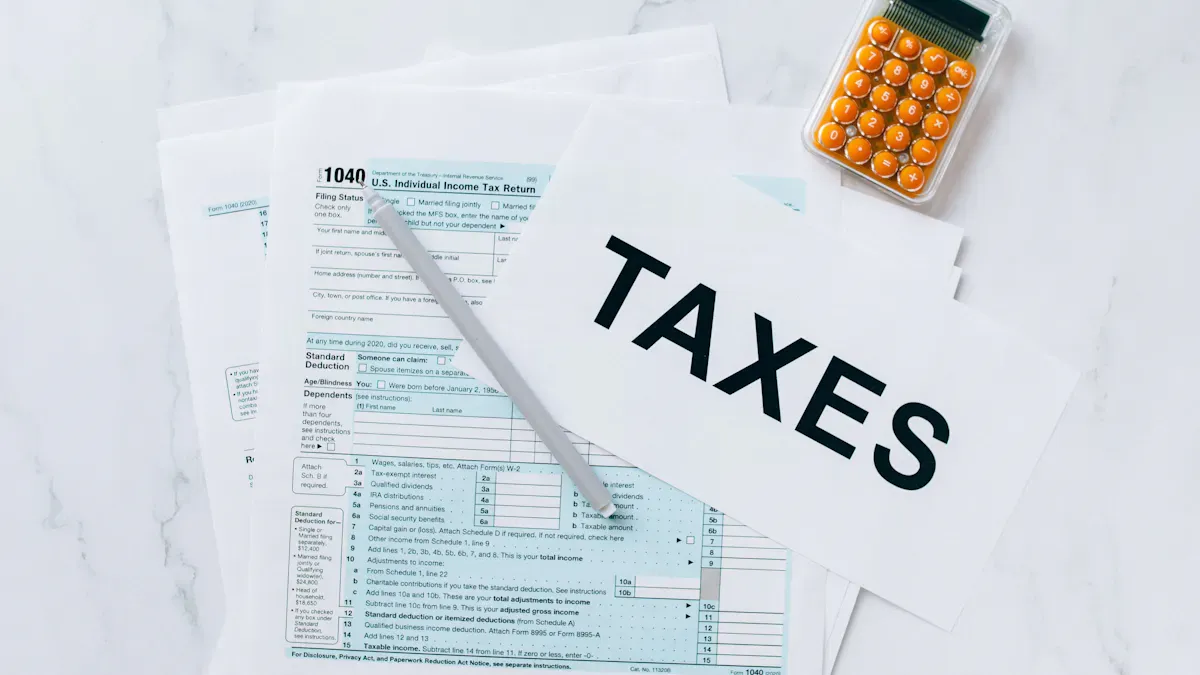
You want to keep more of what you earn and grow your business faster. That’s why business owner tax strategies matter so much. Let’s break down the most important strategies you can use to keep the IRS from taking a bigger bite than necessary.
Entity Choice
Choosing the right business structure is one of the first big decisions you make. It shapes how much you pay in taxes and how much risk you take on. Some structures offer better tax efficiency and protect your personal assets. Others might leave you paying more or put your savings at risk.
Here’s a quick look at the most popular business entity types and what they mean for your taxes:
Business Entity Type | Tax Implications | Liability Protection |
|---|---|---|
Sole Proprietorship | Profits taxed as personal income; self-employment taxes apply | No protection for personal assets |
Partnership | Pass-through taxation; profits reported on personal tax returns | Varies by type of partnership |
LLC | Pass-through taxation; can choose tax treatment | Protects personal assets |
S Corporation | Pass-through taxation; potential to minimize self-employment taxes | Protects personal assets |
C Corporation | Double taxation on profits and dividends | Strong protection for personal assets |
Many small business owners choose S-Corporations for tax efficiency. If your business earns over $60,000, this structure can save you a lot on self-employment taxes. You can split your income between salary and distributions, which often means you pay less in taxes. Picking the right entity is one of the smartest business owner tax strategies because it sets the stage for everything else.
Tip: Review your business structure every year. As your profits grow, your best option might change.
Expense Deductions
Every dollar you spend to run your business could help lower your tax bill. The IRS allows you to deduct many business expenses, but you need to know what counts. Using the right deductions is a core part of business owner tax strategies.
Credits and Incentives
Tax credits and incentives can put real money back in your pocket. Unlike deductions, credits reduce your tax bill dollar-for-dollar. Many business owner tax strategies focus on finding and using these credits.
Here are some of the most valuable credits and incentives for small businesses:
Research and Development (R&D) Tax Credits – For businesses that innovate or improve products.
Investment Tax Credits – For investments in things like renewable energy.
Work Opportunity Tax Credit (WOTC) – For hiring people from certain groups.
Small Business Health Care Tax Credit – For providing health insurance to employees.
Qualified Opportunity Zones – For investing in designated areas with tax advantages.
Energy-Efficient Investments – For making your business greener.
Pro Tip: Check both federal and state programs. Some states offer extra incentives for hiring, training, or investing in your business.
Income and Expense Timing
When you earn income and pay expenses can make a big difference in your tax bill. Timing is a powerful tool in business owner tax strategies.
Here’s how you can use timing to your advantage:
Defer income to next year if you expect to be in a lower tax bracket.
Accelerate deductible expenses by paying bills before year-end.
Buy equipment at the end of the year to maximize depreciation.
Delay bonuses to employees until the next tax year.
Use inventory methods like LIFO to reduce taxable income.
Choose the right accounting method to control when you recognize income.
For example, if you know your profits will be higher this year, you might prepay some expenses to lower your taxable income. If you expect a big contract next year, you could delay sending invoices until January.
Remember: Timing isn’t about hiding income. It’s about planning ahead so you pay only what you owe—no more, no less.
Business owner tax strategies aren’t just about saving money. They help you make smarter decisions, invest in your future, and keep your business growing. When you use these strategies, you turn taxes from a burden into a tool for success.
Success Stories

Profits Gained with Smart Tax Moves
You might wonder if smart tax strategies really make a difference. Let’s look at how real business owners turned tax planning into profit.
Business Owner | Strategy Used | Financial Impact |
|---|---|---|
Murphy’s Motors | Set up a profit sharing plan for retirement contributions | Scored a $250,000 tax deduction, boosting both owner and employee savings |
Sarah's Bakery | Maximized deductions and retirement contributions with a custom tax strategy | Cut taxable income by over 30%, freeing up cash for marketing and expansion |
Sarah, for example, took a close look at her expenses. She found deductions she had missed, like ingredient costs and marketing spend. She opened a SEP IRA, which lowered her taxable income and helped her save for the future. She also made quarterly tax payments on time, so she avoided penalties and kept her cash flow steady. With the extra savings, Sarah launched a local ad campaign. Her bakery saw a jump in new customers, helping her hit $10K in sales in just one month.
Tip: Review your expenses and retirement options every year. You might find hidden savings that can fuel your next big marketing push.
Lessons from Small Businesses
Small businesses like yours have learned a lot from using tax strategies. Here are a few key takeaways:
Don’t overlook deductions like the home office or marketing costs. These can add up fast.
Deferring income can help you manage your tax bill, especially if you expect a lower tax rate next year.
Write off equipment purchases by managing procurement and depreciation.
Evaluate tax credits and consider if a different business structure could lower your taxes.
Maximize retirement contributions for tax-deferred growth.
When you use these lessons, you set your business up for growth. Smart tax moves give you more cash to invest in marketing, new products, or hiring.
Professional Help
Sometimes, you need an expert in your corner. If your business is growing fast, or you’re facing big changes, a tax professional can help you avoid costly mistakes. Here’s when it makes sense to get help:
You don’t have the time or resources to handle complex tax issues.
Your business is going through a major change, like a merger or expansion.
You want to stay ahead of new tax laws and avoid penalties.
You need advice on structuring deals or planning for the future.
A good tax advisor brings specialized knowledge, helps you plan ahead, and gives you peace of mind. You can focus on growing your business, knowing your tax strategy is in expert hands.
Have you thought about bringing in a pro to review your tax plan? Sometimes, one conversation can unlock savings you never expected.
Think of tax strategies as your silent partner—always working behind the scenes to help you grow profits. When you review your current tax approach, you can spot ways to reduce liabilities, boost cash flow, and reinvest in your business.
You get to minimize taxes over time.
You improve financial stability and stay ready for growth.
You turn tax planning into a tool for success.
Take charge today. Smart tax moves can fuel your journey! Ready to access your smart business owner tax strategies and keep profits growing? Click here to Schedule your complimentary virtual meeting with a licensed financial professional today.
See Also
Essential Insights on Employee Benefits and Risk Management
Five Key Health Insurance Queries for Business Owners
Ways to Foster Loyalty and Excellence Among Restaurant Employees
Restaurants Utilizing On-Demand Delivery to Increase Sales
The Importance of On-Demand Delivery for Restaurant Sales Growth

© Copyright 2026 Your Hidden Profit - All Rights Reserved. Our website may contain links to websites owned and operated by third parties. These links are provided for your convenience and information only, and do not constitute an endorsement or approval by us. We have no control over the content, policies, or actions of these external sites and accept no responsibility for them or for any loss or damage that may arise from your use of them. The information provided is only for educational purposes and is not financial or legal advice.