Understanding Employee Benefits and Risk Management: What Every Business Owner Needs to Know

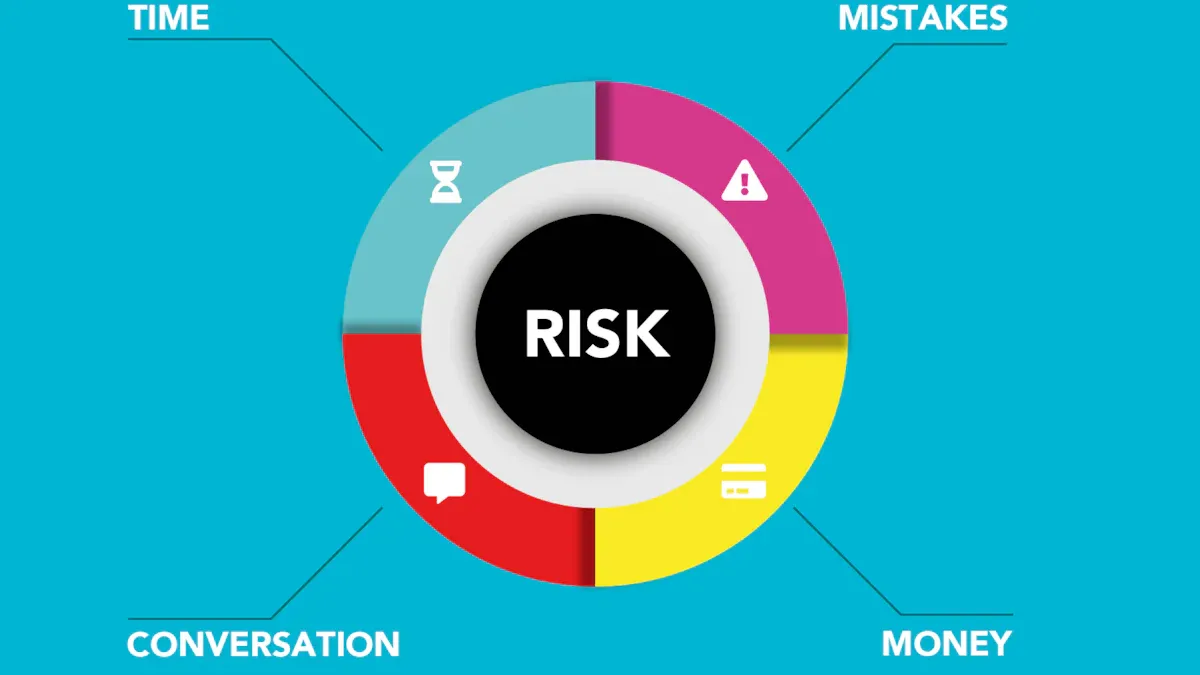
As a business owner, you juggle a lot—payroll, taxes, privacy, and keeping your team happy. Even one payroll error or a tax misfiling can cause headaches and cost you money. Check out some common compliance challenges you might face:
Compliance Challenge | Description |
|---|---|
Payroll errors | Mistakes in payroll processing can lead to significant financial penalties and employee dissatisfaction. |
Tax misfiling | Incorrect tax submissions can result in fines and legal issues for businesses. |
Data privacy breaches | Violations of data protection laws can lead to severe penalties and loss of customer trust. |
Employee misclassification | Misclassifying employees can lead to legal repercussions and financial liabilities. |
Employee benefit mismanagement | Failing to manage employee benefits properly can result in non-compliance with mandatory regulations. |
You want to offer Employee Benefits that attract and keep great people. Maybe you wonder, “Is employee turnover impacting your business?” Smart insurance design, better protection. Protect your family and future with the right choices. Need a group insurance benefit review?
Common HR headaches include recruiting, onboarding, worker classification, payroll, and benefits administration. You don’t have to tackle these alone.
Key Takeaways
Understand the importance of employee benefits. They attract talent and boost retention.
Regularly review your benefits plan. Annual assessments help you stay competitive and compliant.
Offer health and dental coverage. These are top priorities for employees and show you care about their well-being.
Implement effective communication strategies. Clear messaging about benefits increases employee satisfaction.
Invest in employee education. Training reduces risks and helps staff understand their benefits.
Work with experts like insurance brokers. They provide tailored solutions and help you navigate complex regulations.
Utilize technology for benefits administration. It streamlines processes and minimizes errors.
Essential Employee Benefits

When you run a business, you need to understand which employee benefits matter most. These benefits do more than just meet legal requirements—they help you attract talent, keep your team happy, and protect your business from risk. Let’s break down the essentials.
Health and Dental Coverage
Health and dental coverage sits at the top of the list for most employees. If you want to compete for talent, you can’t ignore these plans.
Plan Types
You have a few options when it comes to health and dental plans. Some businesses choose traditional group insurance, while others go with flexible health spending accounts.
Tip: Health and dental coverage isn’t just about cost. It’s about showing your team you care about their well-being.
If you skip these, you risk fines and unhappy employees. Staying compliant keeps your business safe and your team protected.
Note: Health benefits give your employees financial security, build trust, and show you’re committed to their well-being. This can boost retention and loyalty.
Retirement and Pension Plans
Retirement plans help your employees plan for the future. They also show that you care about their long-term security.
Defined Benefit vs. Defined Contribution
You’ll find two main types of pension plans: defined benefit (DB) and defined contribution (DC). Here’s how they stack up:
Aspect | Defined Benefit (DB) Plans | Defined Contribution (DC) Plans |
|---|---|---|
Employer Costs | Higher due to market volatility and pension liabilities | Lower due to cost predictability and reduced risk |
Employee Outcomes | Dependent on investment performance and longevity | More control over investments and potential for growth |
Annual management charges for DC plans have dropped over the years, making them more affordable.
Most DC plans now have low fees, but don’t forget to focus on investment value, not just cost.
Employer Contributions
You need to decide how much your business will contribute. Some employers match employee contributions, while others set a fixed amount. Your choice affects both your costs and your team’s retirement savings. A good insurance broker can help you design a plan that fits your budget and supports your employees’ futures.
Offering both paid and unpaid leave helps your team manage personal issues without losing job security. This support can prevent burnout and boost productivity. Companies that offer flexible leave policies often see higher retention and a more positive workplace culture.
Remember: 92% of workers value emotional and psychological well-being. When you support your team with the right leave options, you show you care about their whole life—not just their work.
Employee benefits like these aren’t just boxes to check. They’re tools to build a stronger, happier, and more loyal team.
Life and Disability Insurance
You want your team to feel secure, no matter what life throws their way. Life and disability insurance are essential parts of Employee Benefits. These plans protect your employees and their families if something unexpected happens. Let’s break down what you need to know.
Coverage Options
You have several choices when it comes to coverage. Short-term disability insurance helps employees when they can’t work for a few weeks or months. Long-term disability insurance steps in if someone faces a serious illness or injury that keeps them away from work for a longer period. Group disability insurance offers extra protection for your team.
You don’t have to choose the most expensive plan. You can tailor coverage to fit your budget and your team’s needs. Michelle Salinas has an experienced insurance broker team that can help you compare options and find the right balance between cost and protection. They know how to design plans that support your employees and keep your business safe.
Tip: Review your coverage every year. Needs change, and so do insurance products. Staying up to date ensures you offer the best protection.
Employee Assistance Programs
Employee Assistance Programs (EAPs) are more than just a perk. They show your team that you value their well-being. EAPs provide access to professional counseling and support for mental health challenges. Many employees report that workplace stress affects their mental health, so early support matters.
Here’s how EAPs make a difference:
EAPs foster a culture of wellness and support. When you implement an EAP, you send a clear message that employee well-being is a priority. This boosts morale and workplace satisfaction.
Employees who use EAP services often have lower absenteeism and higher productivity. Early support helps prevent burnout and keeps your team engaged.
EAPs connect employees with professional counselors. Your team can get help for stress, anxiety, or other mental health concerns without stigma or delay.
Note: Adding life, disability, and EAP coverage to your Employee Benefits package shows you care about your team’s financial and emotional security. This builds trust and loyalty, making your business a place where people want to stay.
Employee Benefits Impact on Business
Attracting and Retaining Talent
You want to build a team that sticks around and grows with your business. Offering the right benefits can make all the difference. When you modernize your benefits package, you can see over 30% improvement in retention. That means less time and money spent on hiring and training new people. A strong benefits plan also helps you stand out when you’re recruiting. Top candidates look for companies that care about their well-being.
Here’s a quick look at how benefits impact your business:
Evidence Type | Description |
|---|---|
Retention Improvement | Case studies report over 30% improvements in retention after modernizing benefits. |
Cost-Effectiveness | Modest reductions in turnover can offset the costs of benefits through avoided rehiring and training. |
Employee Engagement | Strong health and wellness programs lead to higher engagement and lower intent to leave. |
When you invest in your team, you build loyalty and trust. Michelle can help you design a package that fits your budget and attracts the right people.
Productivity and Engagement
Happy employees do better work. When your team feels supported, they show up ready to give their best. Financial worries distract half of all employees, which hurts productivity. Mental health support and flexible work options help your team stay focused and motivated. People want to grow in their careers, so offering learning opportunities boosts engagement.
Check out these results from companies with strong engagement:
Engagement leads to an 18% increase in productivity.
Companies with engaged employees see 81% lower absenteeism.
High engagement correlates with 58% fewer safety incidents.
You can see the difference when you support your team’s well-being. Michelle knows how to build Employee Benefits that drive real results for your business.
Risk Management Strategies

You want to protect your business and your employees. Risk management starts with knowing what can go wrong and having a plan to fix it. Let’s walk through the steps you need to take.
Mitigating Risks
Once you identify risks, you need to take action. Smart insurance design and employee education help you protect your business and your team.
Insurance and Plan Design
Insurance and plan design play a big role in risk management. You need rigorous practices, careful contract drafting, and compliance with industry standards. Liability insurance protects you from unexpected events like illness or property loss. A well-structured insurance plan helps you avoid sudden financial shocks and keeps your long-term goals safe.
Here’s how you can use insurance and plan design to reduce risk:
Draft and review contracts carefully.
Follow industry standards for benefit plans.
Communicate clearly with employees about their coverage.
Choose liability insurance tailored to your business needs.
Note: Personal insurance planning safeguards your business and your family. Michelle can help you build a plan that fits your goals and protects your future.
Employee Education
Employee education is your secret weapon against risk. When you train your team, you give them the tools to stay safe and avoid mistakes. Education reduces workplace injuries and helps staff spot hazards. Training also minimizes customer injuries and contract disputes.
Benefits of employee education:
Staff learn safety knowledge and reduce workplace injuries.
Training improves communication and hazard identification.
Effective programs prevent incidents that could lead to claims or disputes.
Tip: Invest in regular training sessions. Michelle can recommend programs that fit your business and keep your team informed.
Documentation and Audits
Accurate records and regular audits keep your business compliant and organized. You need to document everything—business practices, audits, policy updates, and incidents. Internal controls and audits help you spot errors and fix them fast.
Best practices for documentation and audits:
Maintain clear records for all employee files, including job descriptions and performance reviews.
Conduct annual HR compliance reviews to update policies and evaluate HR technology.
Use a secure, cloud-based HR platform for organized and protected documentation.
Regularly review and update employee handbooks and labor law postings.
Implement internal controls and conduct regular audits to ensure compliance and identify areas for improvement.
Comply with data protection regulations to safeguard sensitive information.
Conduct pre-audit reviews to catch errors early and prevent costly corrections.
Invest in HR technology to automate data verification and ensure accuracy.
You don’t have to manage risk alone. With the right strategies, you can protect your business, support your employees, and build a strong foundation for growth.
Best Practices for Managing Benefits
Regular Review and Benchmarking
You want your benefits program to stay competitive and relevant. Regular reviews help you spot gaps and opportunities. Benchmarking lets you compare your offerings with industry standards.
Metric | Description |
|---|---|
Overall Benefits Costs | Compare your total costs against industry averages. |
Employee Contribution Rates | Check if your cost-sharing is fair and balanced. |
Utilization Rates | See how often your team uses benefits. Adjust offerings if needed. |
Employee Engagement and Retention | Survey your staff and compare satisfaction with industry benchmarks. |
Impact of Benefits on Performance | Track how benefits affect business outcomes. |
Tip: Schedule annual reviews. Use benchmarking data to keep your benefits fresh and valuable.
Communication with Employees
Clear communication makes your benefits program work. You need to explain options, answer questions, and keep everyone informed.
Strategy | Description |
|---|---|
Use Multiple Communication Channels | Mix emails, portals, workshops, and printed materials. |
Simplify Complex Information | Break down details with plain language and visual aids. |
Maintain Consistent Messaging | Keep your message uniform across all platforms. |
Prioritize Accessibility | Offer translations and mobile-friendly content. |
Tailor your tone for different employee groups.
Provide targeted info for new grads or those nearing retirement.
Run campaigns throughout the year.
Highlight benefits during relevant seasons.
Use incentives and gamification to boost participation.
Employees feel more satisfied and engaged when you communicate clearly. They stay longer when they feel heard and valued.
Working with Experts
Consultants and Brokers
You don’t have to manage benefits alone. Ask about their strategies, pricing, and references. Choose someone who specializes in your industry and size.
“Selecting the right partner is one of the most important benefits decisions you can make. The right consultant helps you control costs, stay compliant, and deliver benefits your employees actually value.”
Legal and Compliance Advisors
Legal and compliance advisors help you navigate complex regulations. They monitor changes in laws, manage documentation, and educate your team.
Advisors provide specialized knowledge.
They monitor laws and update your policies.
They help manage eligibility and documentation.
They educate employees to reduce errors.
Technology Solutions
Technology makes benefits administration easier. You can use platforms to streamline enrollment, communication, and compliance.
Solution | Description |
|---|---|
Selerix HR Assist | Combines benefits administration, enrollment, compliance, and communications. |
TELUS Health | Offers configurable solutions and support for efficient benefits management. |
monday.com | Organizes benefits tasks into a connected workspace for better visibility. |
Unum | Automates HR tasks, reducing errors and saving time. |
Note: Technology helps you stay organized, reduce mistakes, and keep your benefits program running smoothly.
You know that offering the right employee benefits builds trust and keeps your team happy. A strong benefits strategy supports mental, physical, and financial wellbeing. Risk management protects your assets and future. You need to stay compliant and review your plans often.
Thoughtful benefits align with your team’s needs.
Proactive risk management secures your business.
Next steps for SMBs:
Strengthen your financial foundation.
Review insurance coverage and update quarterly.
Take action now. Your business and your employees deserve the best.
FAQ
What are the most important employee benefits for small businesses?
Health, dental, and disability insurance top the list. Retirement plans and paid leave also matter. These benefits help you attract and keep great people. Michelle can help you choose the right mix for your team.
How often should I review my employee benefits plan?
You should review your benefits plan at least once a year. Regular reviews help you stay competitive and compliant. Michelle recommends benchmarking your plan against industry standards to spot gaps and new opportunities.
How can I control the cost of employee benefits?
Tip: Compare plans, adjust coverage, and share costs with employees. Use technology to track usage and spot savings. Michelle can help you design a cost-effective plan without sacrificing value.
Can technology really make benefits administration easier?
Absolutely! Platforms automate enrollment, track compliance, and simplify communication. You save time and reduce errors.
Why should I work with an insurance broker like Michelle and her team?
You get expert advice and access to more options.. Michelle tailors solutions to your business, saving you time and money. She stays on top of industry trends so you don’t have to.
See Also
Ways to Cultivate Loyalty and Excellence Among Restaurant Teams
The Importance of On Demand Delivery for Restaurant Revenue Growth
Strategies Restaurants Use to Maximize Sales Through Delivery

© Copyright 2026 Your Hidden Profit - All Rights Reserved. Our website may contain links to websites owned and operated by third parties. These links are provided for your convenience and information only, and do not constitute an endorsement or approval by us. We have no control over the content, policies, or actions of these external sites and accept no responsibility for them or for any loss or damage that may arise from your use of them. The information provided is only for educational purposes and is not financial or legal advice.