Your Employees Aren't Complaining. That Isn't the Same as Satisfied.

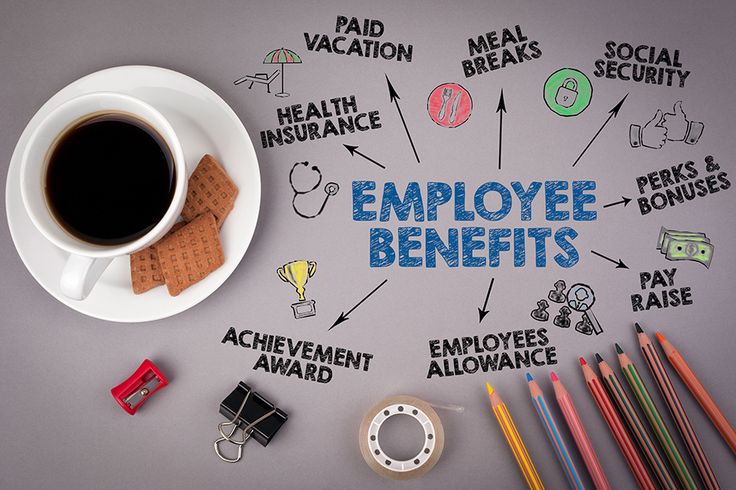
Open enrollment came and went. Nobody complained. HR didn't get a single angry email. Leadership took it as a green light and moved on to the next priority.
That silence is the problem.
The numbers back this up. MetLife's 21st Annual U.S. Employee Benefit Trends Study found that 83% of employers believe their employees are satisfied with their benefits, while only 61% of employees actually are. That 22-point gap has grown steadily since 2018, when it sat at just 3 points (MetLife EBTS 2023).
Leadership isn't lying. They're just not hearing the truth.
What Silence Actually Signals
When employees don't complain about their benefits, it usually means one of three things. Either the plan genuinely works well, which is worth confirming. Or employees have already learned that questions don't go anywhere, so they've stopped asking. Or they're quietly frustrated and already updating their resumes.
Two of those three options are serious. And you can't tell them apart from the absence of complaints.
Research on workplace silence is consistent on this point. A 2025 review in Psychology & Health found that employee silence overlaps more strongly with burnout than employee voice does, meaning the absence of complaints is often a better predictor of disengagement than the presence of them (Taylor & Francis, 2025). A separate study in Health Psychology and Behavioral Medicine tied workplace silence directly to higher turnover, citing earlier organizational research that employees who stop voicing concerns are statistically more likely to leave (PMC, 2023).
Consider a 180-person company we'll call a familiar story. The CFO had spent two years bragging about her low complaint volume on benefits. Then exit interviews started surfacing a pattern: three departing employees in six months mentioned a denied claim, a surprise out-of-network bill, or a pharmacy benefit change that nobody had explained. None of them had ever emailed HR. They'd called their spouse, vented to a friend, and started a job search. By the time the company realized the plan had a problem, the people most affected were already gone.
Here's the structural truth: most benefits plans are designed for the moment of enrollment, not the moment of need. The open enrollment packet looks thorough. The carrier portal looks modern. Everything looks fine until someone actually tries to use it.
A parent schedules a specialist for their child and discovers the referral process isn't what they were told. An employee with a chronic condition realizes their pharmacy benefit changed and the drug they've been on for two years now costs four times as much. A new hire's spouse goes for a routine procedure and comes home to a bill that wasn't supposed to happen.
None of these people complain to HR. They call their spouse. They text a friend at another company. They quietly add "benefits" to the list of reasons they might leave.
The cost of that quiet departure is measurable. A QuickBooks-Allstate Health Solutions report found that 78% of employees would leave a job if their benefits package was inadequate, and 92% link overall job satisfaction directly to their benefits (CPA Practice Advisor, 2024). Separate research from Thatch put the same point a different way: 64% of workers say better health benefits would make them stay (Thatch, 2025).
As SHRM summarized MetLife's findings, "benefits dissatisfaction is also likely contributing to job dissatisfaction" even when overall job satisfaction looks stable (SHRM, 2023). Translation for leadership: a healthy headline number can sit on top of a quiet benefits problem for a long time.
The Fear Underneath
For most people-first leaders, the fear isn't the complaint. It's the discovery that the plan they were proud of was failing people without anyone telling them.
Benefits represent a company's commitment to its people in the most physical, concrete way possible: when you're sick, we have you covered. When that coverage doesn't hold up, the breach isn't just financial. It's personal. It signals something about how much the company actually values the people on its payroll.
And the worst part is that the Benefits Gap, the distance between what leadership believes the plan provides and what employees actually experience, often exists not because anyone made a bad decision, but because nobody checked.
Why the System Produces This
Group benefits plans are built and priced on an annual cycle. Your broker works toward renewal. Your carrier issues updated documents once a year. The machine runs, the paperwork gets processed, and somewhere in the gap between what the plan says and what the claims process delivers, employees figure out on their own what's real.
There is no built-in mechanism for continuous quality control. Unless someone builds one deliberately, the gap widens each year.
What Changes When You Close It
When an employer starts treating their benefits plan as something that requires year-round attention, not just annual renewal, the experience shifts. Employees who have questions get answers before those questions become crises. Changes in carrier contracts get caught before they affect claims. The plan employees think they have is closer to the plan they actually have.
Turnover conversations shift too. Not overnight. But when people feel protected, they stay connected.
Where to Start
Pull your last open enrollment utilization report. Not the enrollment percentages, those tell you who signed up. Look for which covered benefits had near-zero utilization over the past 12 months. That's your first diagnostic signal.
Then ask a simple question: is the utilization low because the benefit is genuinely not needed, or because people don't know it exists, or because they tried to use it and hit a wall?
That question is the beginning of the conversation worth having.
Sources
MetLife. 21st Annual U.S. Employee Benefit Trends Study, 2023. metlife.com
SHRM. "As Employee Wellness Declines, Benefits Satisfaction Drops to a Decade Low," 2023. shrm.org
QuickBooks-Allstate Health Solutions, via CPA Practice Advisor. "78% of Employees Would Leave Job with Subpar Benefits," 2024. cpapracticeadvisor.com
Thatch. "Why Employees Leave: It's About Health Benefits," 2025. linkedin.com/posts/thatch-com
Taylor & Francis. "Associations Between Burnout, Employee Silence and Voice," Psychology & Health, 2025. tandfonline.com
PMC. "Employee Silence, Job Burnout and Job Engagement," Health Psychology and Behavioral Medicine, 2023. pmc.ncbi.nlm.nih.gov
© Copyright 2026 Your Hidden Profit - All Rights Reserved. Our website may contain links to websites owned and operated by third parties. These links are provided for your convenience and information only, and do not constitute an endorsement or approval by us. We have no control over the content, policies, or actions of these external sites and accept no responsibility for them or for any loss or damage that may arise from your use of them. The information provided is only for educational purposes and is not financial or legal advice.